

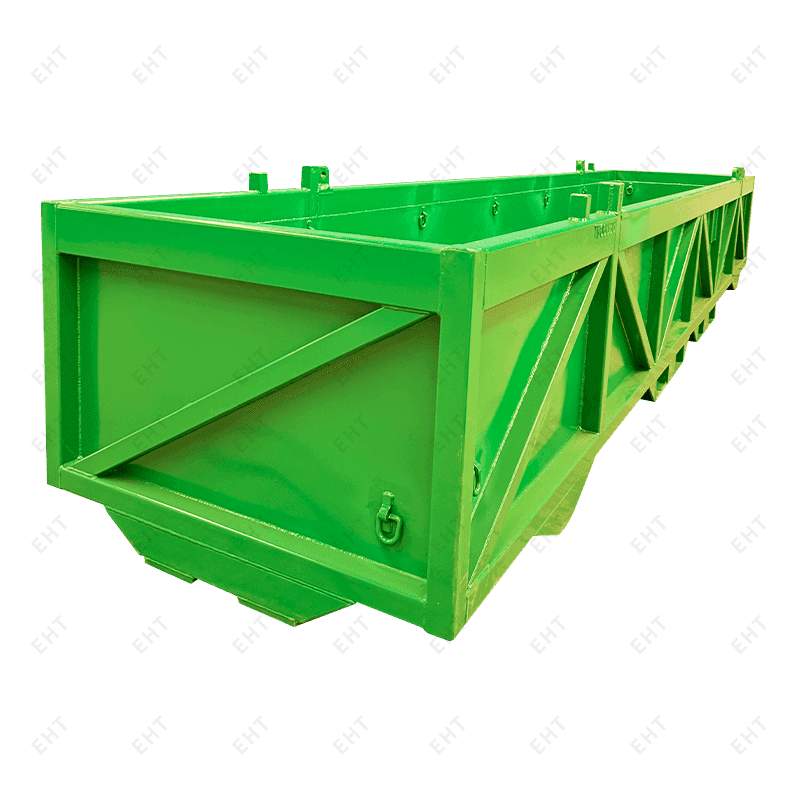
20 fod skydedæksel Halvhøj bulkbeholder
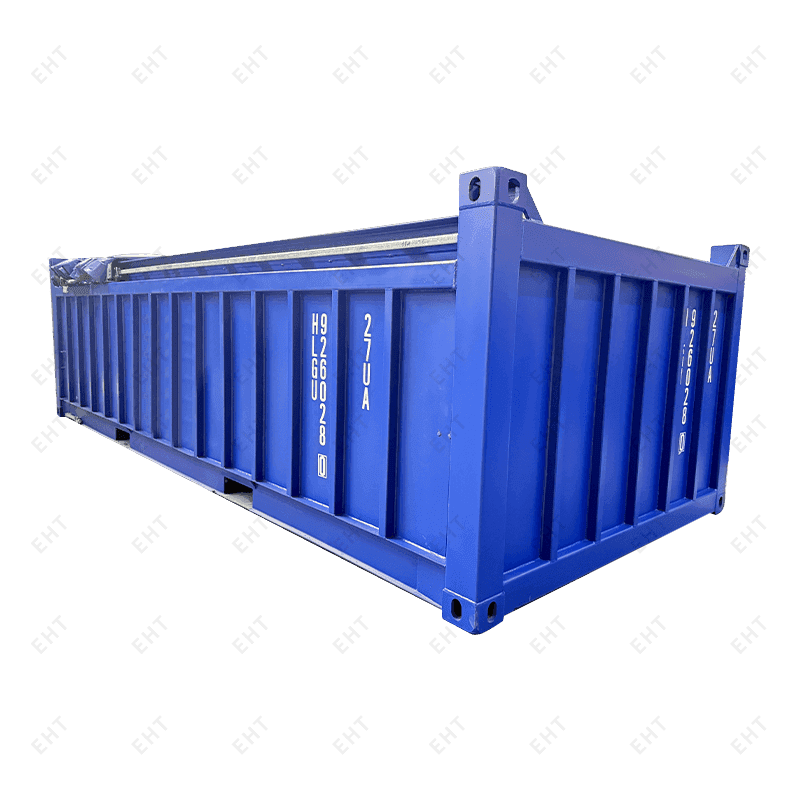
20ft glidende dæksel Halvhøjde Bulk Container er en specialiseret container designet til transport af tung og bu...
In today's global cold chain logistics landscape, the quality of your refrigerated container directly determines whether temperature-sensitive cargo arrives at its destination in sellable condition or results in costly spoilage claims, regulatory penalties, and damaged client relationships. Super freezer containers — reefer containers capable of maintaining ultra-low temperatures, typically ranging from -60°C to -25°C — are among the most technically demanding products in the intermodal shipping equipment category. Sourcing from a manufacturer with proven engineering capability, rigorous quality control, and deep experience in cold chain applications is not a purchasing decision to make on price alone.
As a professional reefer container manufacturer with extensive production experience, we understand the exact performance requirements that logistics operators, shipping lines, pharmaceutical distributors, and food exporters face in real-world operations. This guide explains what distinguishes a superior super freezer container, what specifications to demand from any manufacturer you evaluate, and why our production capabilities and quality standards make us the reliable long-term partner your cold chain operations require.
A super freezer container is a specialized type of reefer (refrigerated) container engineered to achieve and sustain temperatures significantly lower than standard reefer units, which typically operate in the -25°C to +25°C range. Super freezer units extend this capability to -60°C or below, enabling the transport and storage of cargo categories that standard reefers cannot accommodate without product degradation. The refrigeration system in a super freezer container uses cascade compression technology or other advanced refrigerant circuit designs to reach these ultra-low temperature setpoints reliably across multi-week ocean voyages and land transit legs regardless of ambient temperature conditions.
The demand for super freezer containers has expanded significantly alongside the growth of international cold chain trade in several key sectors. Understanding which cargo categories drive this demand helps buyers confirm whether a standard reefer or a true super freezer specification is the right fit for their logistics requirements:
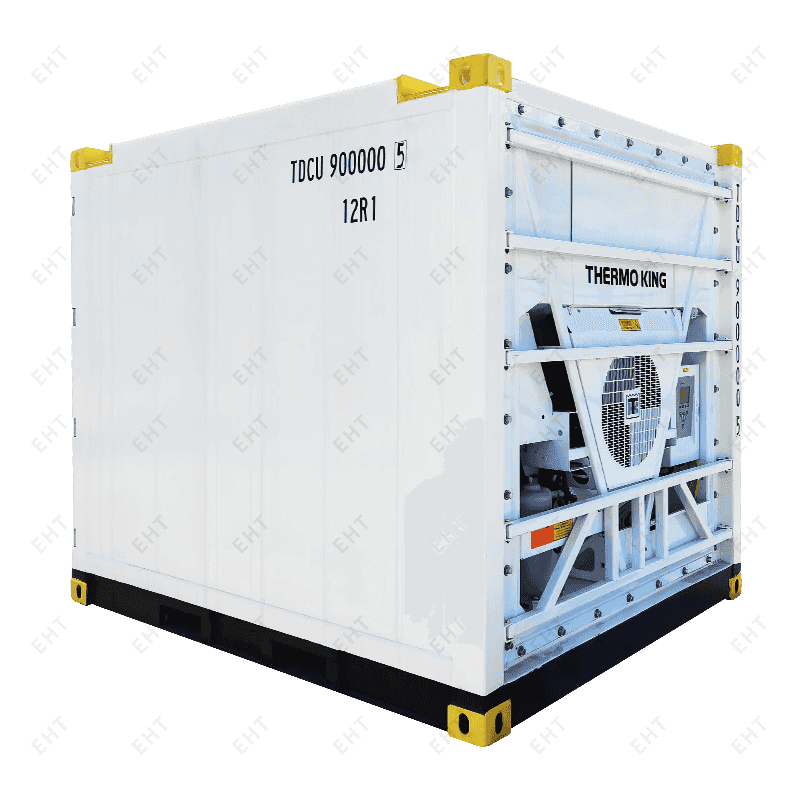
When evaluating super freezer container manufacturers, the technical specifications of the product reveal the engineering investment and manufacturing precision behind the finished unit. The following parameters are the most critical to examine and verify before committing to a supplier relationship.
A quality super freezer container should achieve its rated minimum temperature setpoint — typically -60°C — within a defined pull-down time from ambient, and maintain that setpoint within a tolerance of ±0.5°C to ±1.0°C under rated load conditions. Temperature uniformity throughout the container interior is equally important: hot spots or temperature gradients within the cargo space indicate poor airflow design or insulation deficiencies that compromise cargo on the edges or corners of the load. We test every unit we produce for pull-down performance, setpoint accuracy, and interior temperature uniformity under full load simulation conditions before shipment.
The insulation system is the foundation of ultra-low temperature performance. Super freezer containers require significantly thicker and higher-performing insulation than standard reefers — typically 120–160mm of high-density polyurethane (PU) foam injected under pressure into the wall, floor, and ceiling panels, achieving thermal conductivity values of 0.022–0.025 W/(m·K). The structural panels must be constructed to prevent thermal bridging — any metal-to-metal connection path through the insulation layer creates a localized heat leak that forces the refrigeration system to work harder and can cause condensation and ice formation within the panel structure. Our panel construction uses fiberglass reinforced polymer (FRP) inner liners and specifically designed thermal break components at all structural junctions to eliminate bridging paths.
The refrigeration unit fitted to a super freezer container must be rated specifically for ultra-low temperature operation — standard reefer refrigeration units are not designed or validated for operation below -25°C and will fail prematurely or be unable to achieve setpoint if misapplied. Super freezer refrigeration systems typically use a two-stage cascade refrigeration circuit where the primary circuit (using R404A or R452A refrigerant) pre-cools a secondary circuit (using R23 or CO₂) to achieve the final ultra-low setpoint. Key performance metrics to verify include rated cooling capacity at minimum setpoint, compressor type and brand, defrost system design, and power consumption at rated conditions. We source refrigeration units from internationally recognized manufacturers with proven track records in ultra-low temperature applications and conduct full operational testing on every unit before container delivery.
As a dedicated reefer and super freezer container manufacturer, our production facility operates under a structured quality management system that covers every stage from raw material procurement through final inspection and delivery. We do not treat quality control as an end-of-line checkpoint — it is integrated into every production stage to catch deviations before they become costly non-conformances.
Our manufacturing process follows a documented sequence that ensures consistency across every unit we produce:
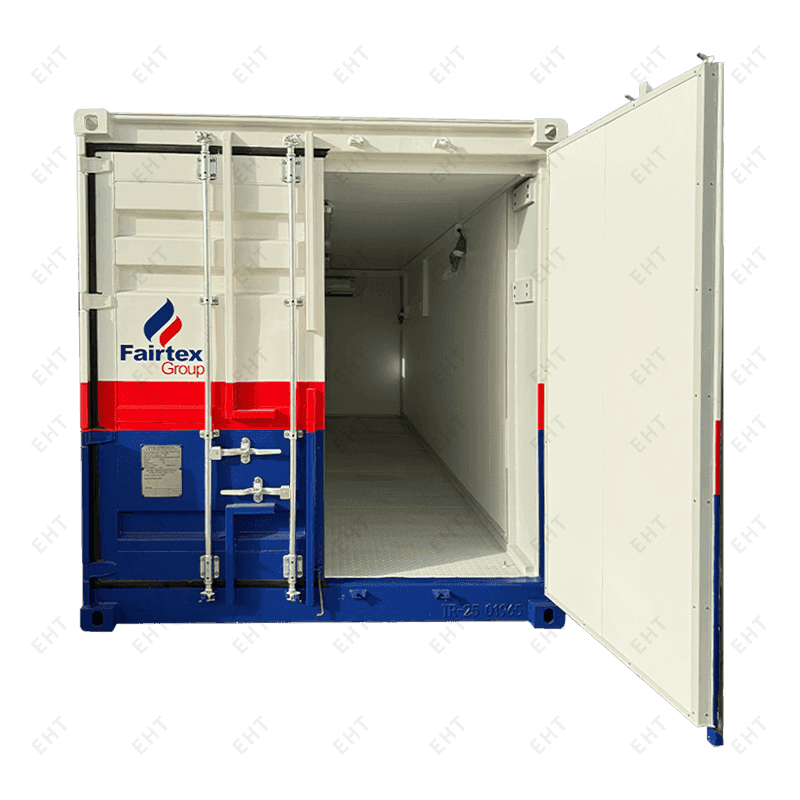
We manufacture super freezer containers in the standard ISO intermodal sizes that integrate seamlessly with global shipping infrastructure, ensuring our clients can deploy equipment without operational compatibility concerns across ports, rail terminals, and road transport networks worldwide.
| Specification | 20ft Super Freezer | 40ft Super Freezer | 40ft HC Super Freezer |
| External Length | 6,058 mm | 12,192 mm | 12,192 mm |
| Internal Volume | ~27 m³ | ~58 m³ | ~67 m³ |
| Temperature Range | -60°C to +25°C | -60°C to +25°C | -60°C to +25°C |
| Insulation Thickness | 120–160 mm PU | 120–160 mm PU | 120–160 mm PU |
| Power Supply | 380V / 440V, 3-phase | 380V / 440V, 3-phase | 380V / 440V, 3-phase |
| Data Logger | Standard included | Standard included | Standard included |
Our super freezer containers are deployed across a broad range of industries where unbroken cold chain integrity directly affects product value, regulatory compliance, and end-consumer safety. We work closely with clients in each sector to understand their specific loading, transit, and documentation requirements, ensuring the containers we supply integrate smoothly into their existing operational workflows.
In the seafood export sector, we have supplied super freezer containers to fishing fleets, processing plants, and export trading companies shipping premium frozen tuna, salmon, and shellfish to Japan, Europe, and North America. These clients require containers with rapid pull-down capability to super-freeze fresh catch quickly at the point of loading, combined with reliable long-term temperature maintenance across multi-week ocean transit periods. Our units consistently meet these demanding operational profiles.
For pharmaceutical and biotech logistics clients, we offer containers with validated temperature mapping documentation, calibrated data loggers with certificate of calibration, and optional remote monitoring connectivity. These features support GDP (Good Distribution Practice) compliance and provide the audit trail required by regulatory authorities in major pharmaceutical import markets. We understand that for pharmaceutical cold chain operators, documentation and validation are not optional extras — they are core product requirements, and we treat them accordingly.
Choosing a super freezer container manufacturer is a long-term partnership decision. The container you purchase today will operate in your cold chain for ten to fifteen years or more, and the manufacturer's support capability, spare parts availability, and technical responsiveness will affect your operational costs and reliability throughout that service life. We have built our business model around supporting clients not just at the point of sale but throughout the full equipment lifecycle.
We invite logistics operators, shipping companies, food exporters, pharmaceutical distributors, and cold chain solution providers to contact our sales team to discuss your specific super freezer container requirements. Whether you are sourcing a single unit to trial our quality or planning a fleet-scale procurement, we are ready to provide detailed technical proposals, production timeline commitments, and pricing that reflects the genuine value of equipment built to last in the most demanding cold chain environments in the world.

Hvad skal jeg holde dig ajour?
Kontakt os via e -mail -adressen nedenfor.
Nr. 178, Wuzhou East Road, Economic Development Zone, Yangzhou, Jiangsu.
Copyright 2024 Yangzhou Yichengke Integrated Technology Co., Ltd. All Rights Reserved.

